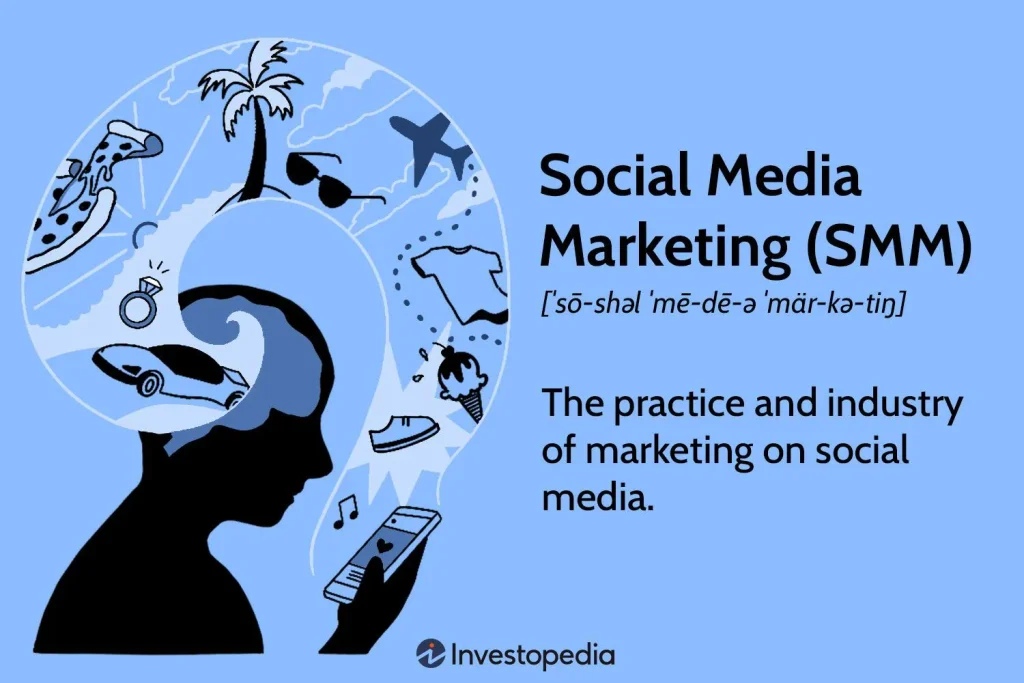
Social media marketing is a method of using media platforms to build your brand. It covers making content taking care of the community and posting naturally.
Digital marketing, through social media is a key part of how businesses grow their online presence and talk with customers.
One aspect of that picture is social media advertising, which is part of the sponsored side, where you pay to reach a specific audience with your material.
This is a method of thinking about it. Posting a reel and responding to comments constitutes marketing. Advertising occurs when you pay to show the reel to 50,000 individuals who meet your desired consumer profile.
Together the two are most effective. Your sponsored social budget allows you to scale the winners to reach those you might not otherwise reach while your organic efforts reveal what appeals to your following .You don’t have to choose one and the majority of brands do both at the same time.
Digital marketing through social media helps businesses connect with their audience by using both free efforts and paid ads. This mix lets them reach people and build stronger relationships. Organic activities, like posting content and interacting with followers work together with paid promotions to increase visibility. It’s a way to grow a brand and get results.
What advantages does social media advertising offer?
Compared to other marketing channels social media advertising helps firms target the right people manage their ad budget and assess results more clearly.
digital marketing through Social media marketing is the process of using media platforms to create a brand boost sales and bring visitors to a website. It allows companies to talk to their customers collect information and check how well their marketing efforts are working in one place.
There are, than 6 billion people using media around the world as of October 2025 which gives businesses a huge chance to reach customers. Social media marketing is now a part of businesses plans because of its reach ability to focus on specific groups and use of data analytics tools.
Digital marketing through media gives companies many chances to show off their products. It helps them talk to customers. It also lets them learn more, about the people who use their products.
Why Is Social Media Marketing (SMM) So Powerful?
The strength of SMM comes from media’s capacity to perform three key functions: connecting people, enabling interaction and collecting customer data.
Connection
Social media lets businesses talk to customers in ways that were impossible before. Social media has ways to reach people. Social media allows you to use video sites like YouTube, networks such as Facebook or short‑post sites, like X.
Digital marketing through social media makes it possible for businesses to use different platforms depending on the type of audience they want to reach.
A good SMM plan provides another resource: customer data. Of getting lost in the data problem of volume, variety and speed SMM tools can pull out data and turn it into useful market analysis. They can even use the data to crowdsource ideas.
On media people. Simply like posts. This provides businesses with a means to advertise through eWOM or electronic word-of-mouth between future customers. The good word. Helps people to decide. Because the conversation takes place on the platform it can be measured. For example SMM can track its equity, which’s how much value comes back from SMM campaigns.
Digital marketing through social media also helps businesses understand how customers respond to their content through engagement, feedback and other available data.
What are the advantages of advertising on social media?
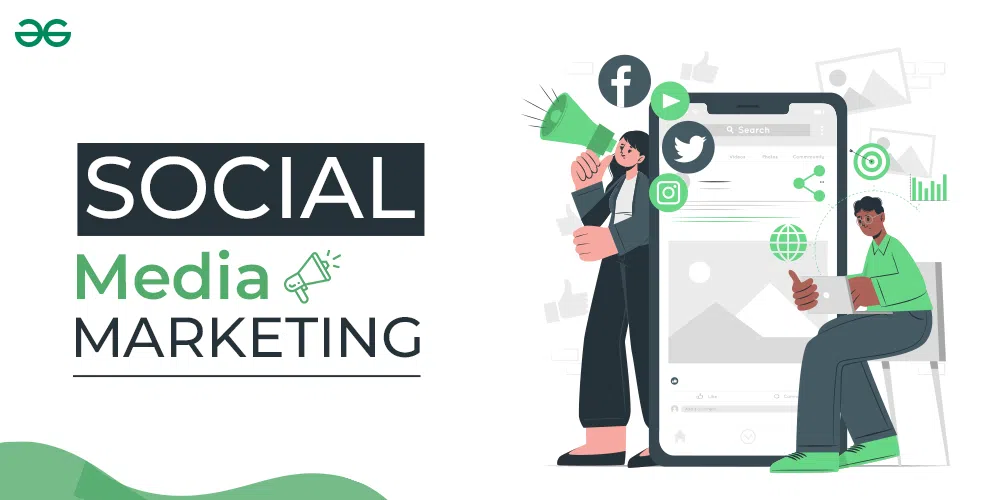
Social media advertising enables companies to reach the public while having better control over their advertising expenditure and obtaining clearer measurements of their results than is possible with most other marketing channels.
Digital marketing through social media can support businesses by making advertising more targeted, measurable and flexible.
Let us take a look at its benefits below:
Specific audience targeting.
Social media lets you aim ads precisely. By focusing on groups of users with social media advertising campaigns you only reach the people who are most interested, in your products. This way the money you spend on social media advertising works well as possible.
Digital marketing through social media allows advertisers to focus their campaigns on particular groups of people based on different audience characteristics.
Real-time adjustments.
Social media advertising gives you feedback so that you can easily assess the effectiveness of a campaign and make changes according to its performance, such as transferring your budget to the social media ads that are converting best by simply making a few clicks.
Simple ROI tracking.
It can be difficult to calculate the return on investment of your social media advertising strategy, but the advertising metrics and reports available from social media will show you the actual value of your efforts, in dollars and cents.
Digital marketing through social media provides useful performance information that can help businesses understand whether their advertising activities are producing results.
Wider reach beyond limits.
Organic reach has fallen on all the platforms, so even high-quality content will often only be seen by a small number of your followers. With paid social media advertising you are able to show your content to people who don’t currently follow you, and that is how you expand beyond your present audience.
Cost-effective compared to advertising.
A television advertisement or billboard can cost thousands of dollars before anyone has acted on it, whereas with media advertising you can begin with just a few dollars each day, target your audience accurately and pay according to the results you actually desire.
Digital marketing through social media can therefore be used by businesses of different sizes to promote their products and services while working within their available advertising budget.
How social media ads work
It is important to familiarize yourself with how social media advertisements work before spending a single cent on them. While there are slight differences between each platform, all boil down to the same four fundamental elements: selecting a goal, deciding who should view your ad, creating the ad content and setting how much you should pay. Here’s how these different components come together.
Digital marketing through social media involves understanding these basic advertising elements before launching a paid campaign.
Campaign goals and objectives
All advertising campaigns start with an aim, such as for example awareness, traffic, engagement or conversions. The importance of this step is greater than it may seem on the surface. After you have picked a goal, the algorithm on the platform changes what it delivers in order to get the best performance for you within your set budget. If you select ‘conversions’, it will search out for users who are likely to buy. If you choose ‘awareness’, it will go after cheap impressions.
Audience targeting
It is audience targeting that has earned social advertising its reputation, though. When you choose a way to place an ad you are telling the platform precisely who you want to show the ad to based on things like age, where they live what gender they are, what they like and what they do. You are telling the platform who you want to show the ad to based on things, like age, where they live what gender they are, what they like and what they do.. You can also create:
Custom audiences from your data, like with email lists or people visiting your website.
Audiences that resemble those of your present customers.
Targeting groups of people who have interacted with your brand.
The greater your knowledge of the people you wish to target, the more effective these tools will be; audience personas enable you to determine which groups should be given priority.